State of Auditions

ACTRA Toronto members were asked to share their experience with auditions for film, television and commercial work to help the union better understand what members are experiencing in the current audition environment – what’s working, what’s not and what needs to change.
Members’ feedback will help guide the union’s advocacy, negotiations and policy work as we continue to fight for fair, safe and respectful audition practices.
What We Heard
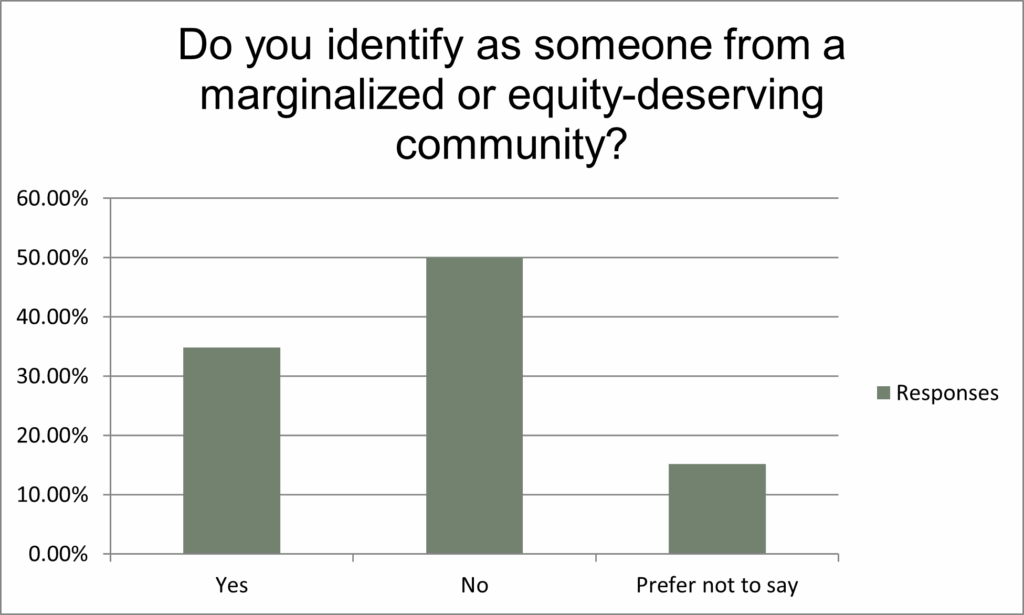
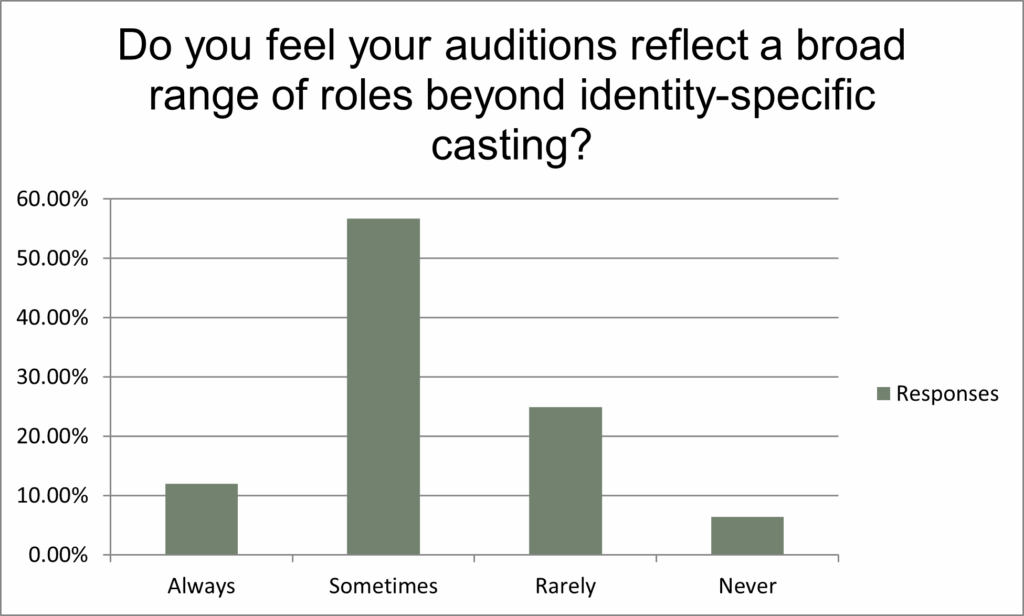
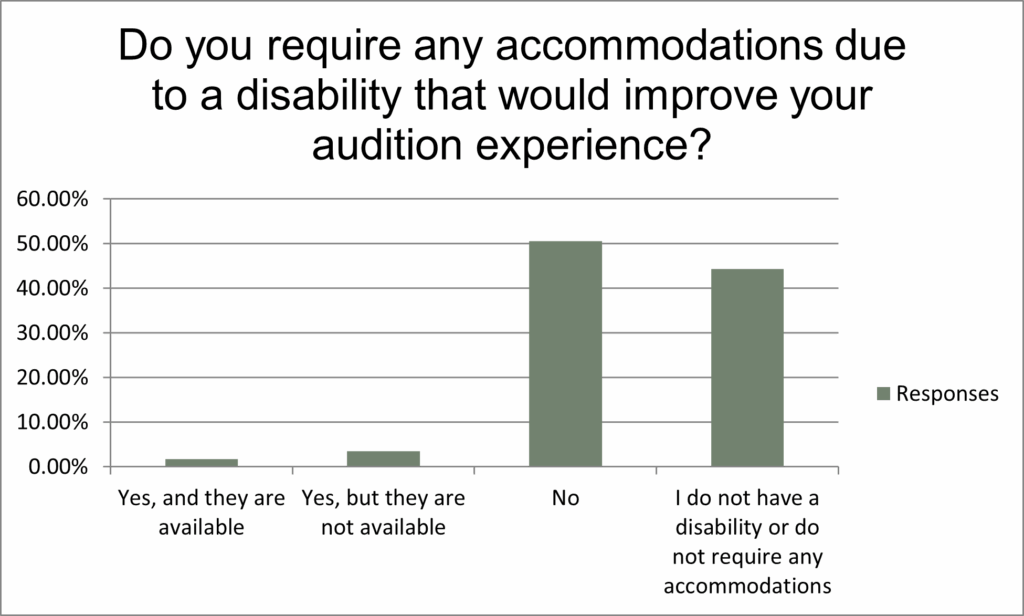
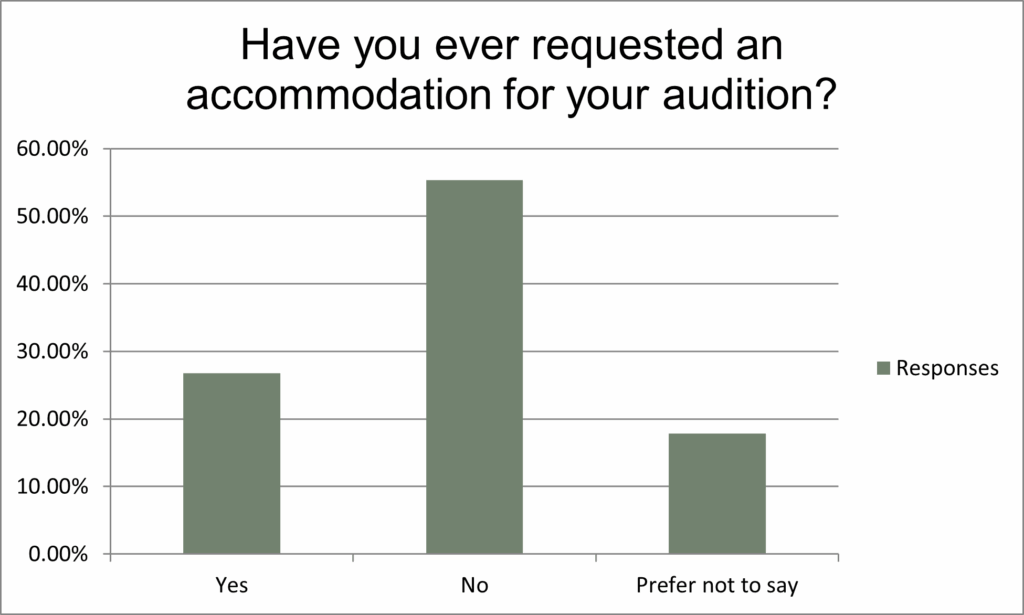
More than 1,100 members completed ACTRA Toronto’s State of Auditions Survey between October 30 and November 20, 2025. This is one of the largest audition feedback efforts we have ever done. Thank you to everyone who took the time to share your experiences, stories and hopes for how the audition process can improve. Your input will directly shape our conversations with Producers and Casting Directors.
Members told us a lot. Much of it was powerful, clear and consistent. Below is a short summary of what we heard, supported by selected quotes and backed by the full graphs included in this report.
Overall Experience
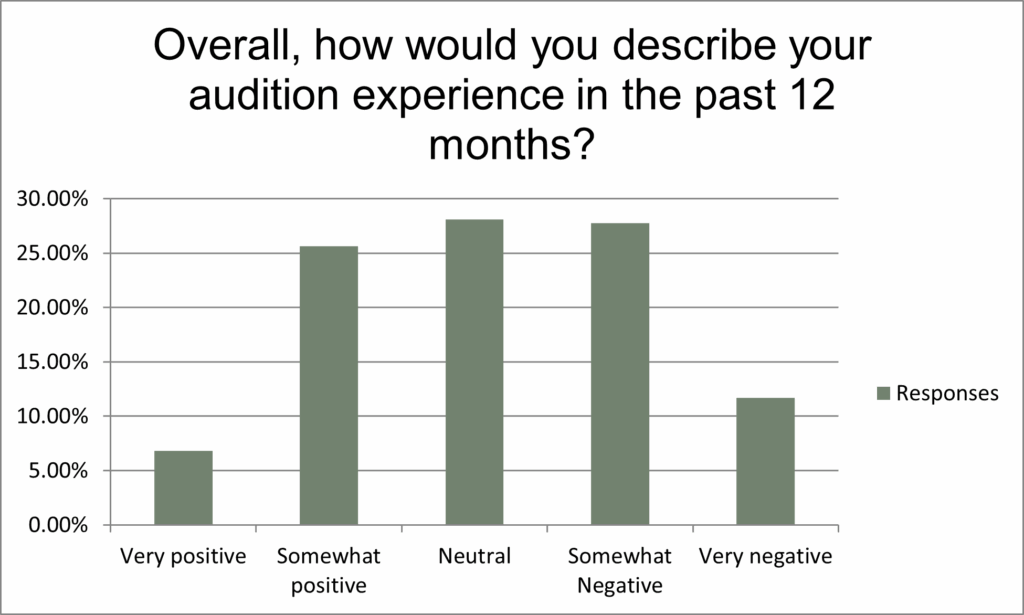
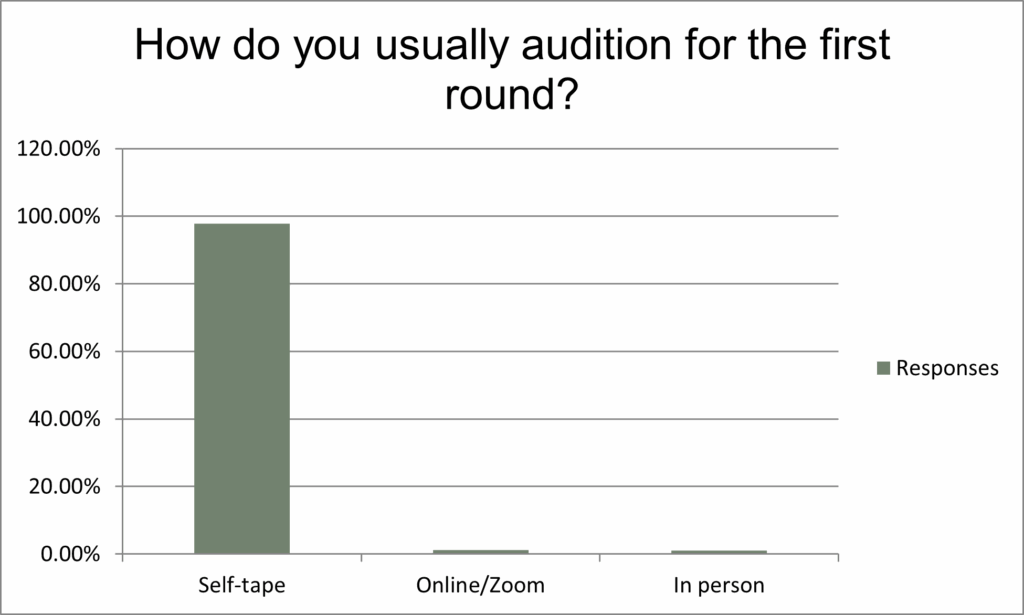
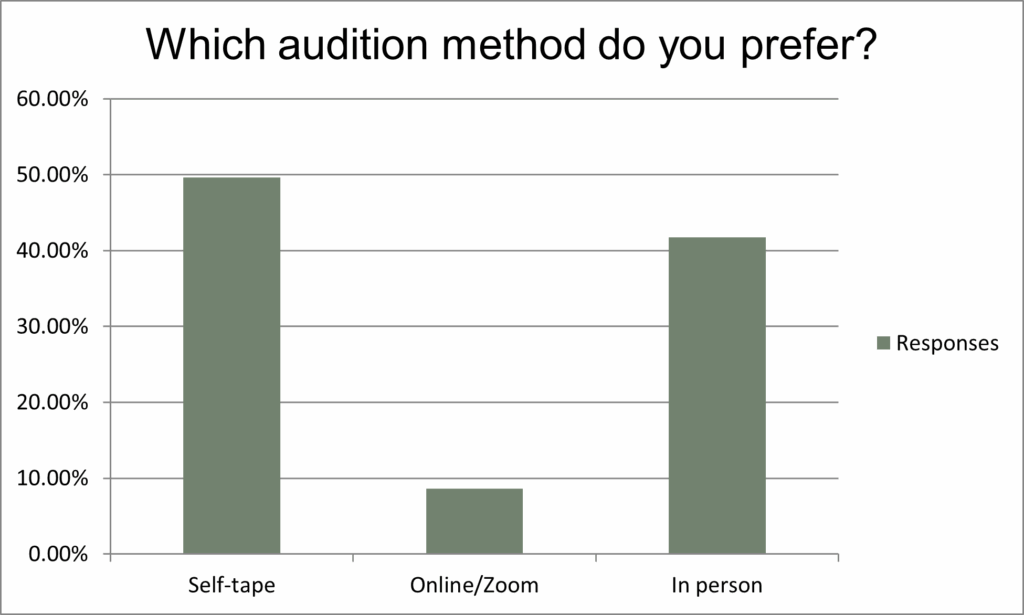
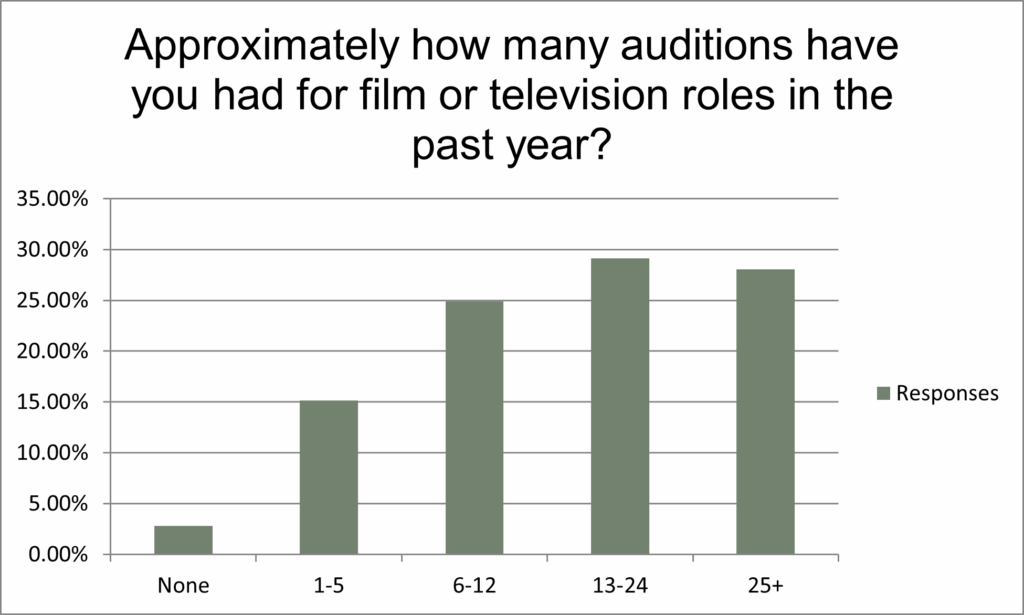
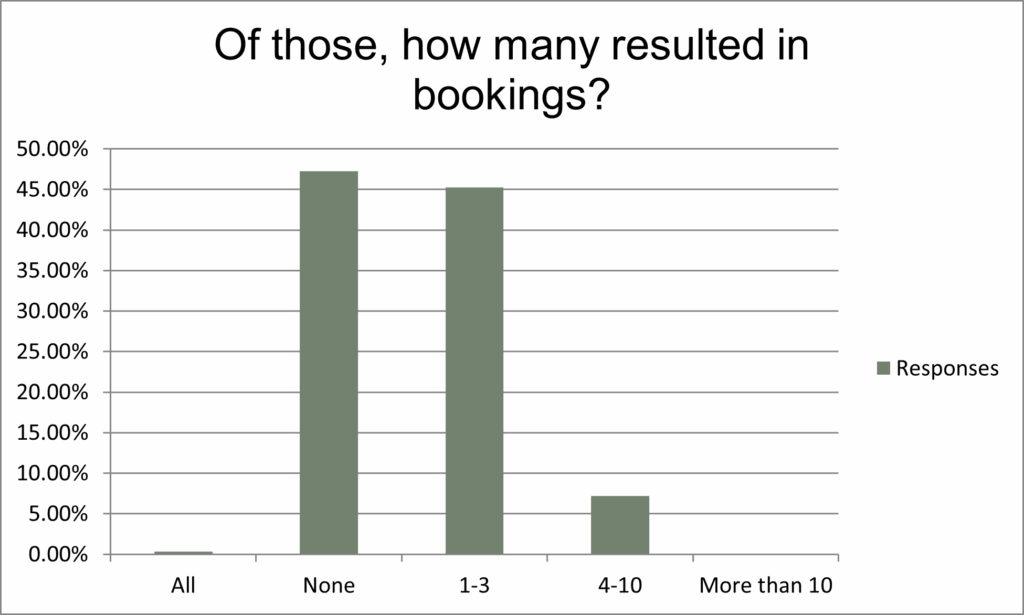
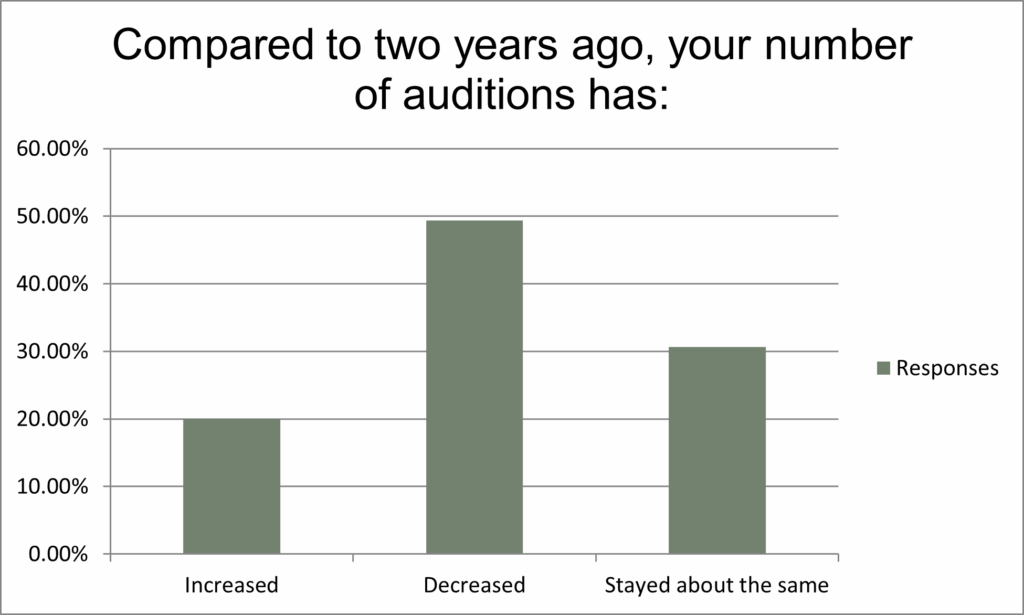
Members described the past year as challenging. While a small number reported positive experiences, most indicated neutral to negative results. Many are still working often, but fewer auditions are turning into bookings. Most first-round auditions are now self-tapes, even though nearly half of members say they prefer in-person casting.
“I do not know if anyone ever watches my tapes. It feels like throwing work into the void.”
“I miss the room. I miss people. I miss feeling like an actor.”
Key Themes From the Open Text Responses
1. The Loss of Human Connection
Members spoke with real emotion about the disappearance of in-room auditions. The shift to all self-tapes has taken away the chance to connect with Casting Directors, receive feedback and get a sense of the creative environment.
“Acting is human connection. self-tapes take the heart out of the work.”
“Zoom is not a room. There is no way to know how you are doing or what the team wants.”
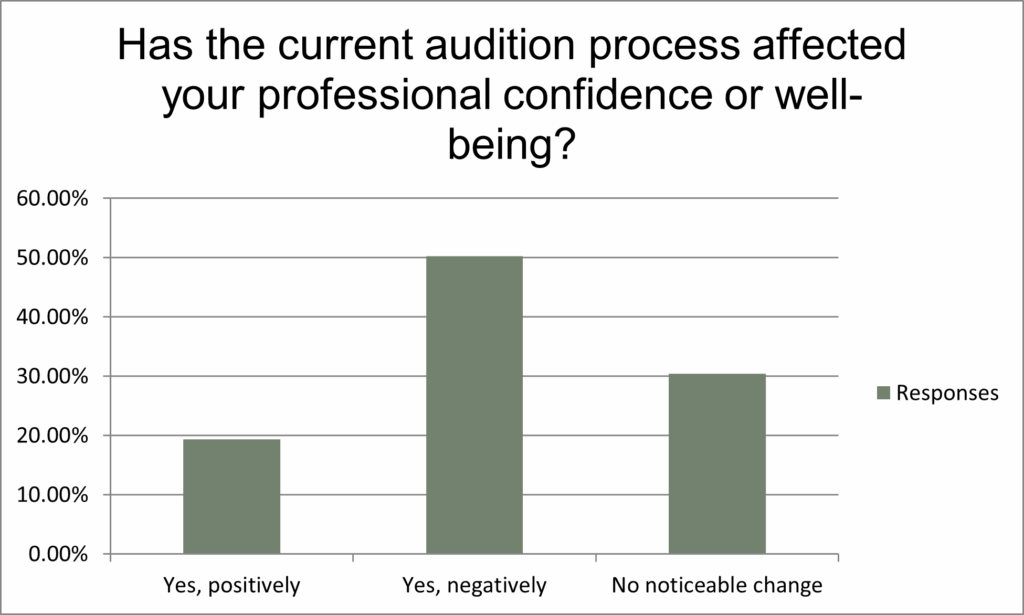
This loss affects confidence, skill development and professional relationships.
2. A Growing Burden of Unpaid Labour
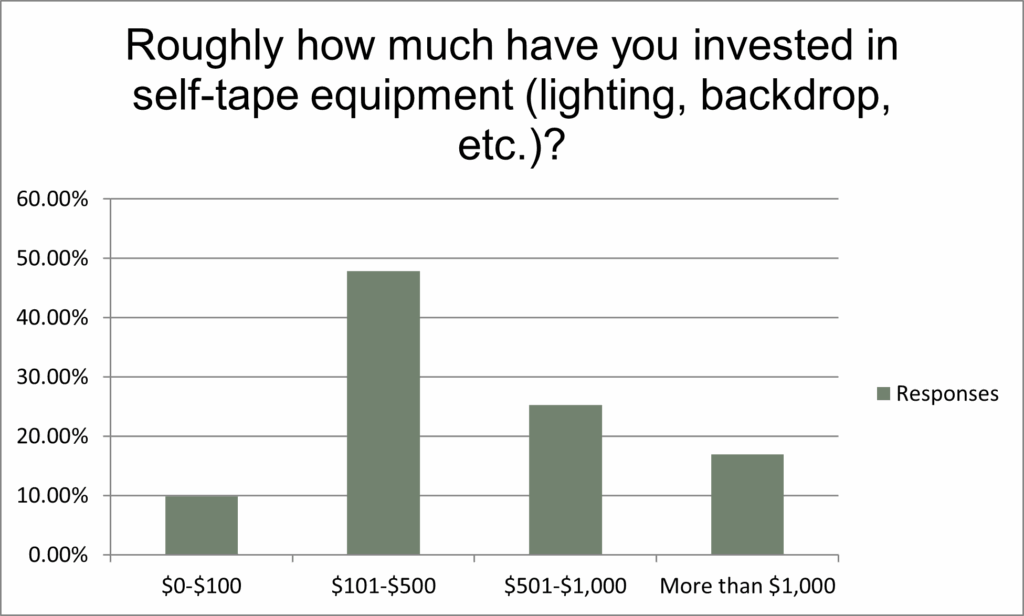
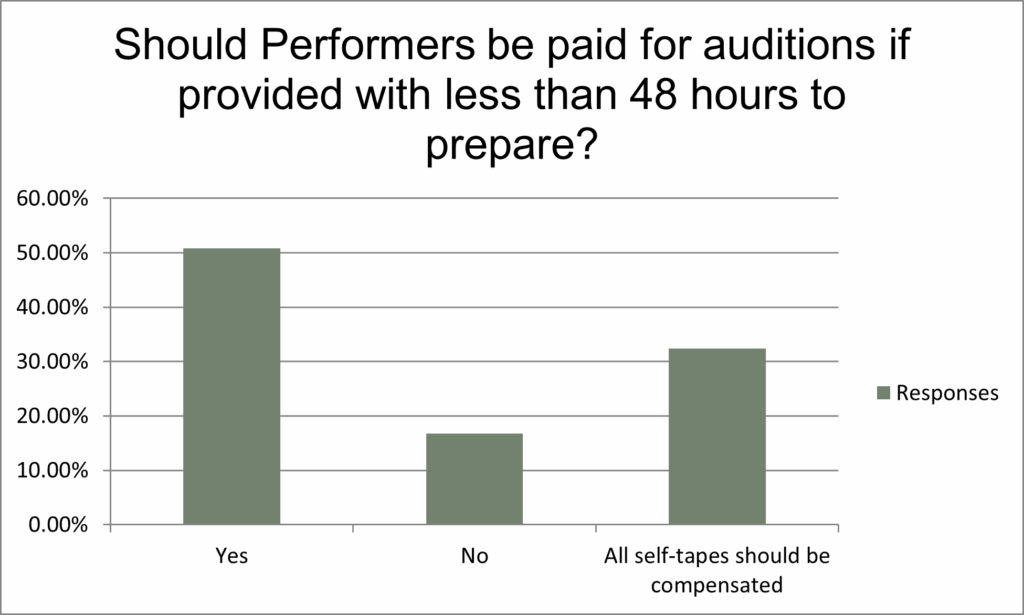
Members described self-tapes as a large transfer of work and cost from productions onto performers. The average performer invests hundreds of dollars in equipment, and many spend hours filming, editing, finding readers or reshooting.
Common themes included:
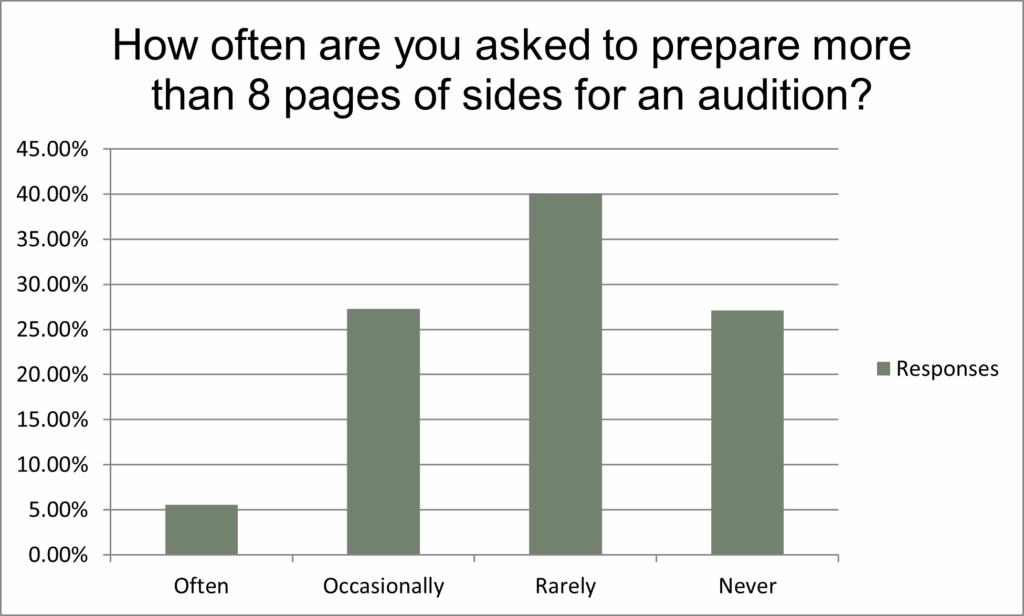
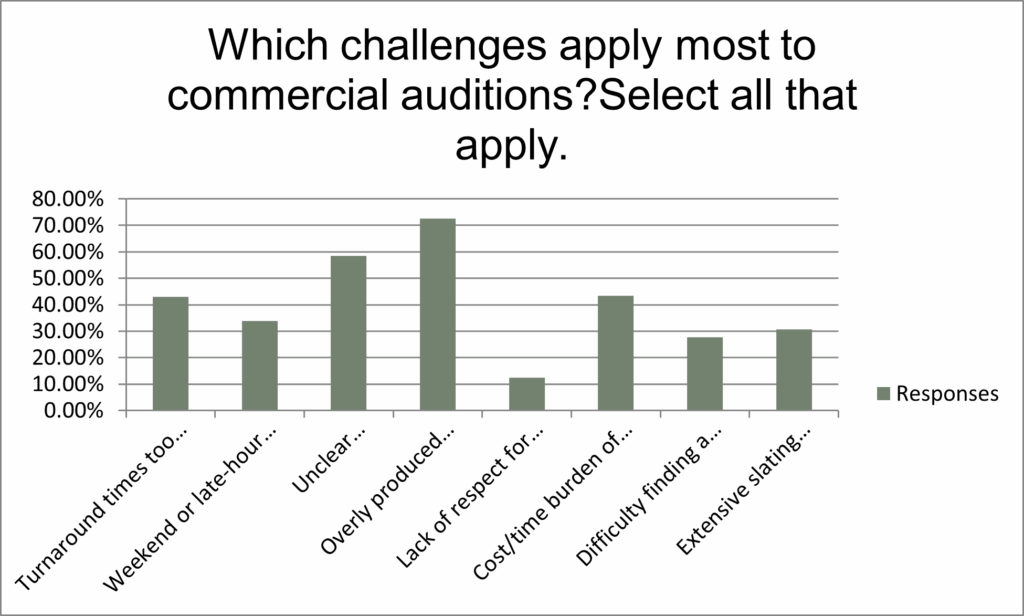
- More than 8 pages of sides
- Unclear or overly complex direction
- Requests that feel like mini productions
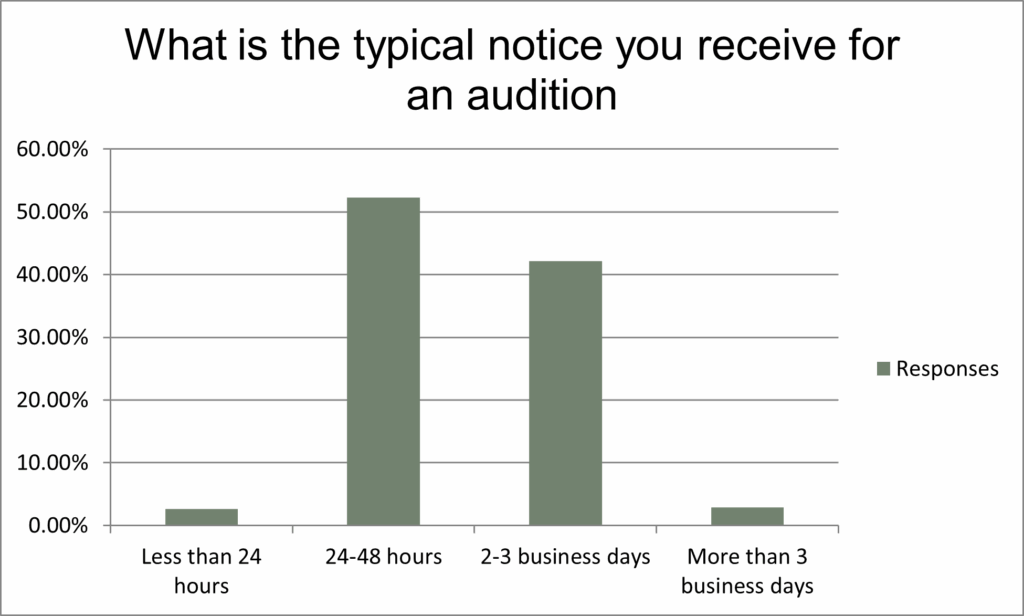
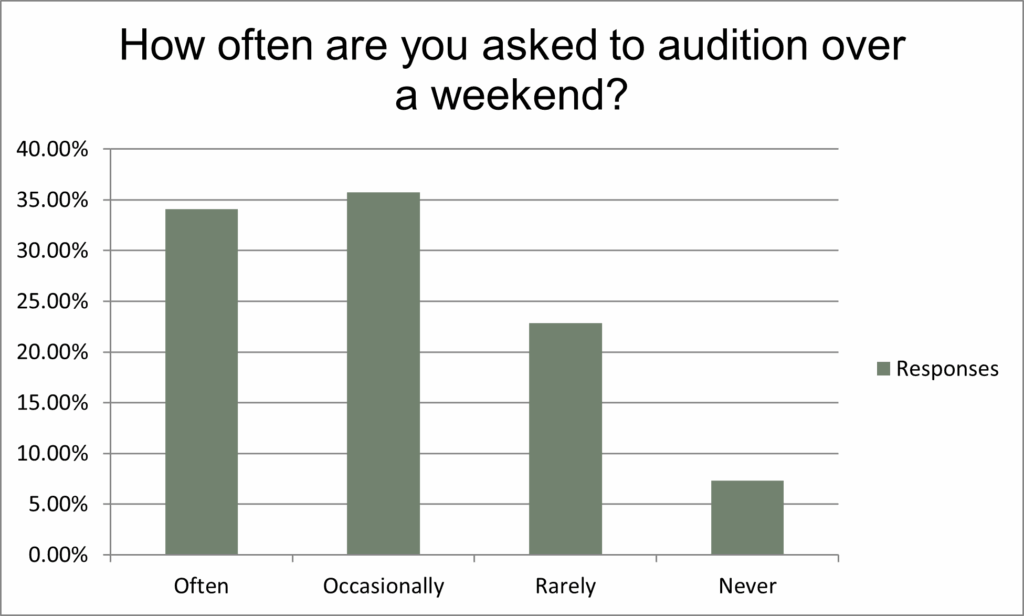
- Last-minute assignments, often on weekends
“I am not a lighting designer, editor, or cinematographer. I am an actor.”
“If productions save money, why are we paying the price.”
3. Lack of Transparency and Trust
Members described serious doubts about fairness and process integrity.
- Many fear tapes are not watched
- Large numbers of people audition for every role
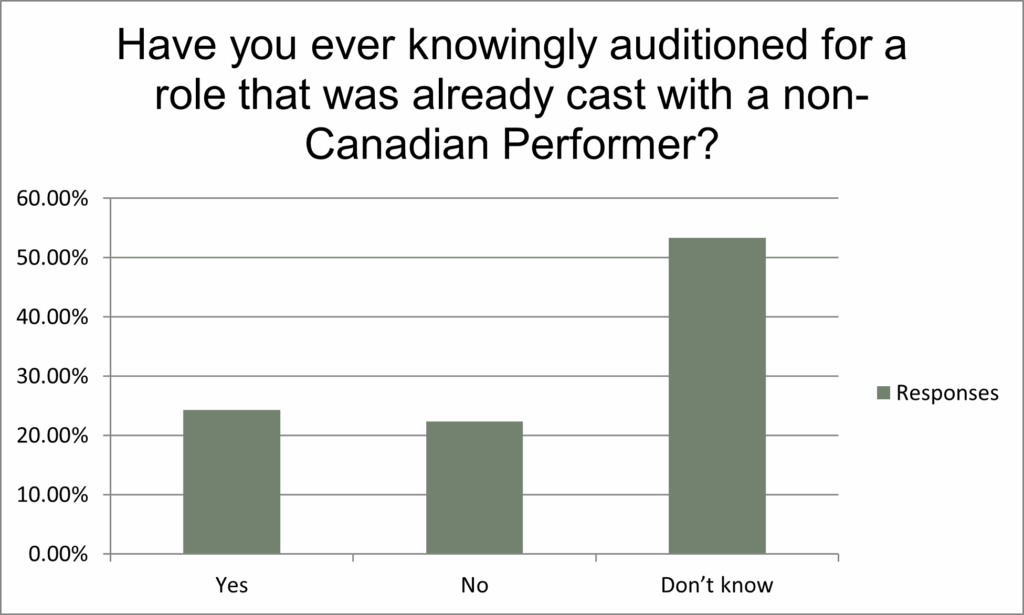
- Canadian performers often audition for roles already intended for non-Canadians
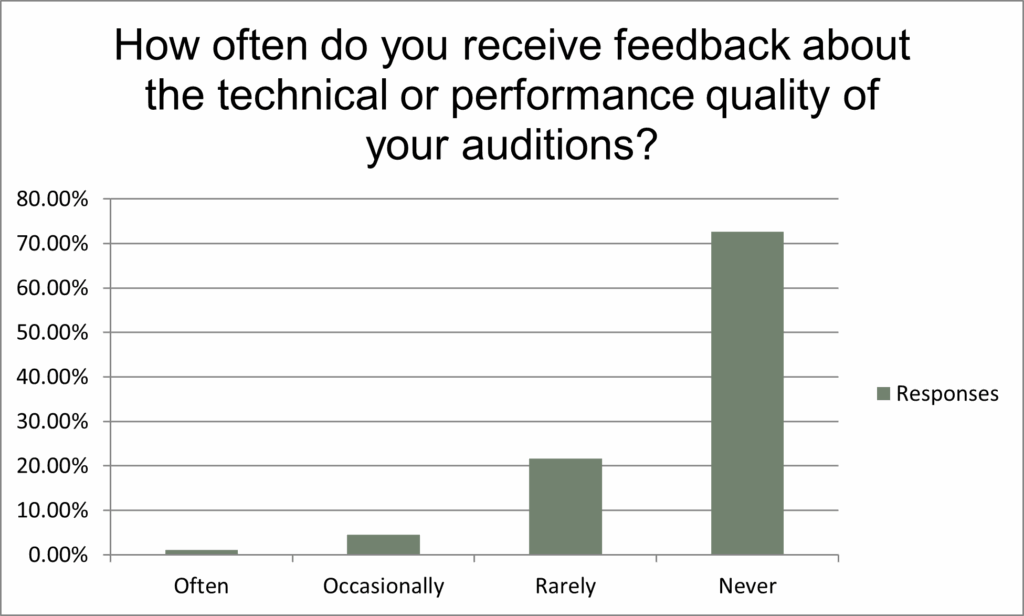
- Very little or no feedback
These issues came up in hundreds of responses.
“Why make me learn eight pages if you only watch ten seconds.”
“Why cast Americans after we all put in the work.”
4. Equity Barriers
Members flagged concerns that the self-tape system makes auditions even harder for:
- Disabled performers
- Performers who live alone or cannot find readers
- Parents and caregivers
- Members who work survival jobs
- Older performers with limited tech experience
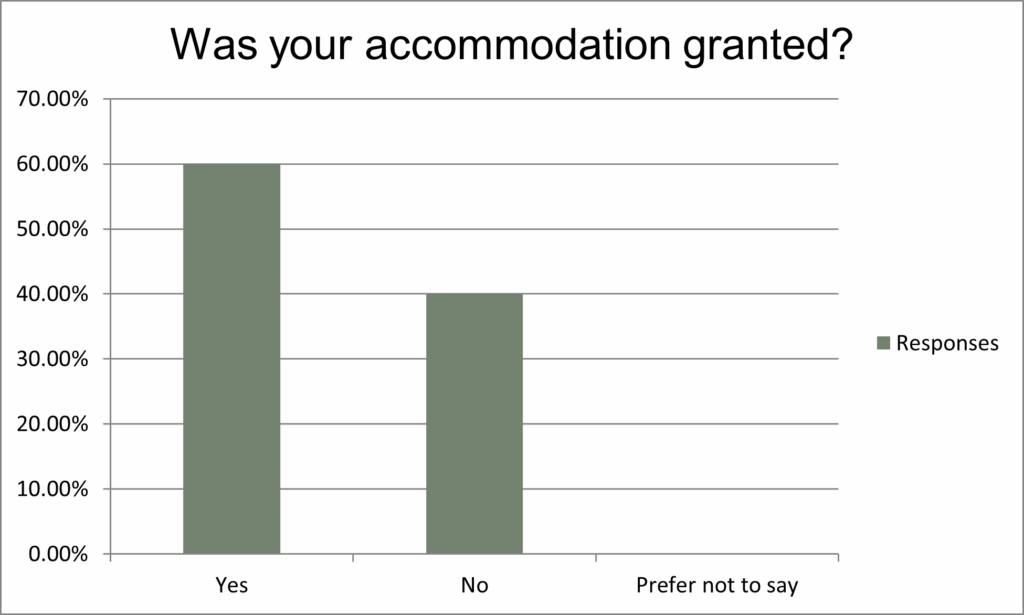
Some accommodations are granted, but many members say they do not feel safe asking.
“I want to ask for help, but I worry I will be judged.”
5. Working as a Local
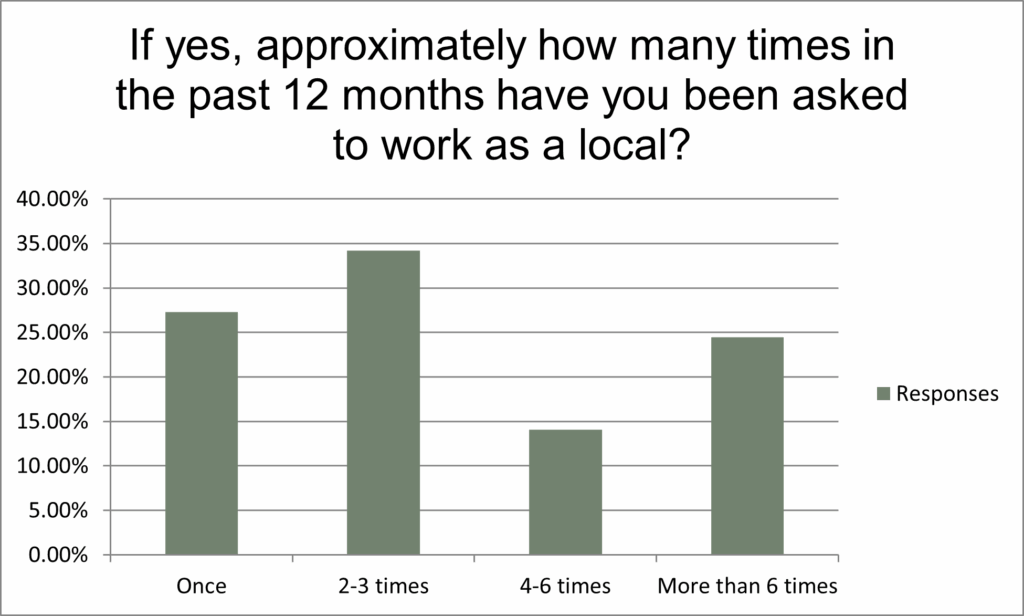
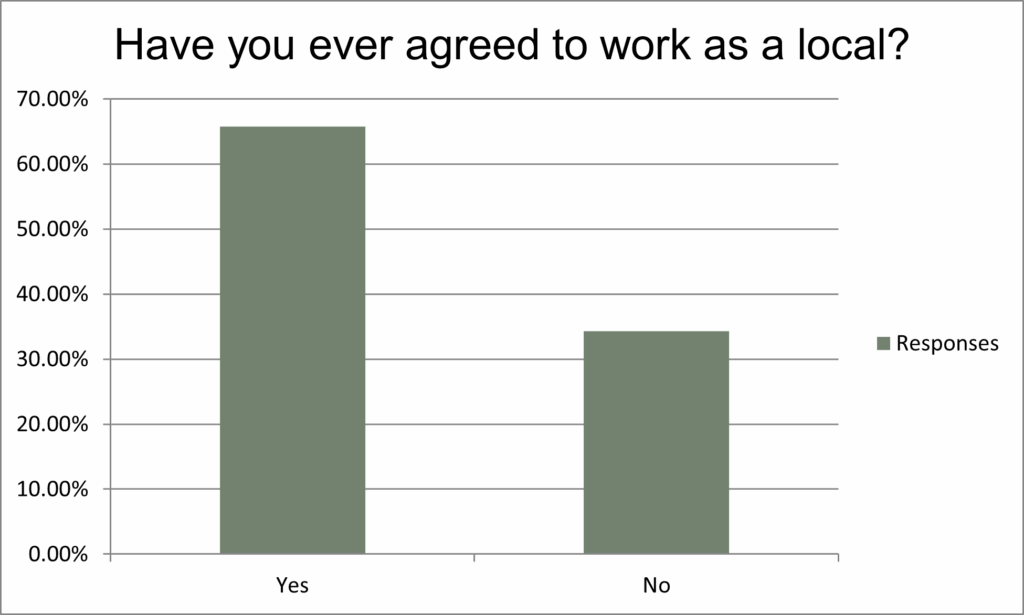
More than half of respondents say they have been asked to work as a local, even though this is not permitted under the IPA. Many accepted out of fear they would lose work if they said no.
Typical reasons included:
- Needing the job
- Fear of being passed over
- Staying with friends or family to reduce costs
- Hoping for a credit or career growth
“I could not afford to say no.”
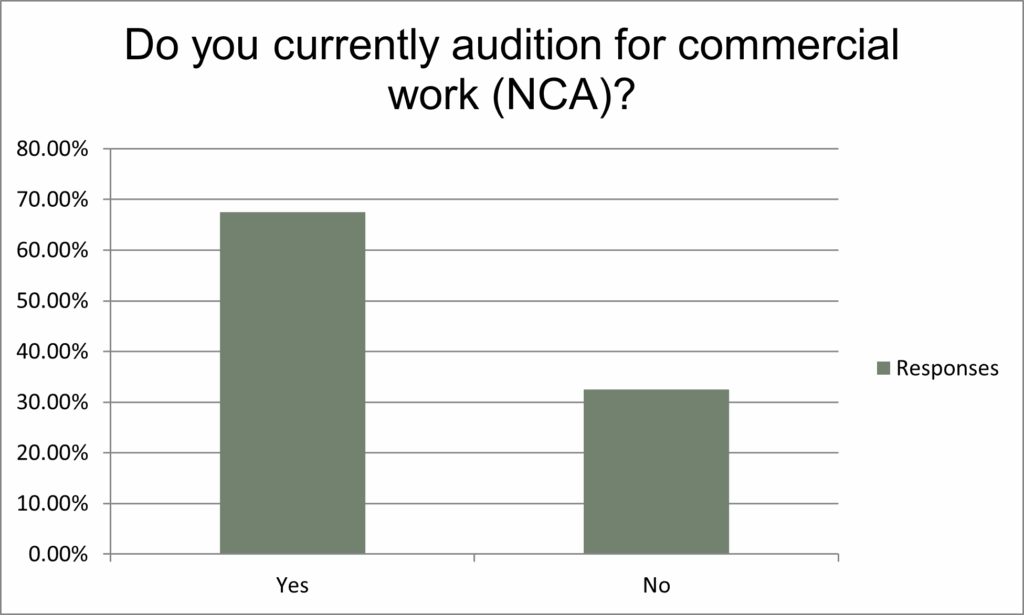
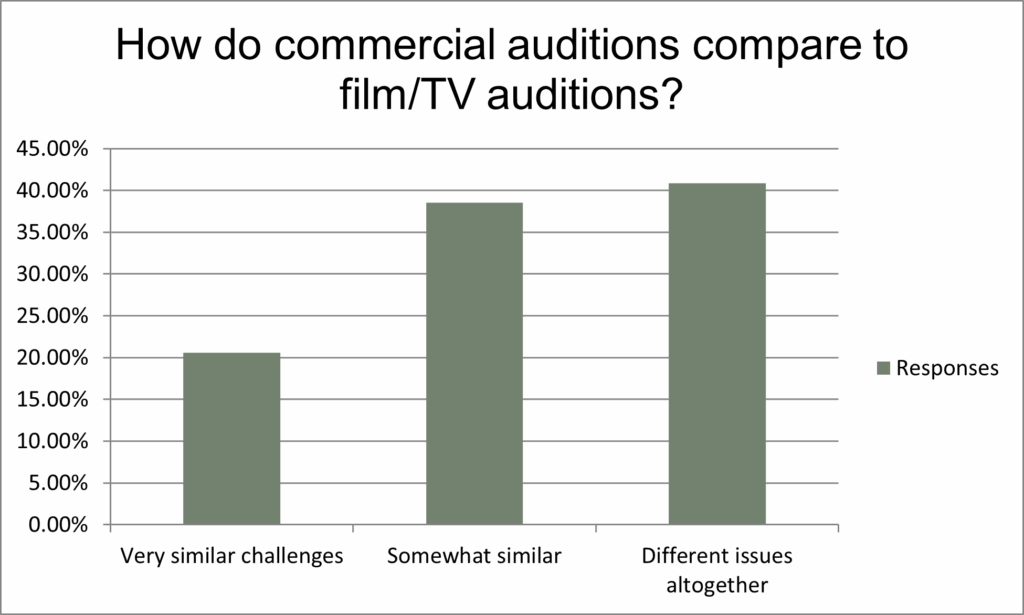
6. The Commercial Experience
Commercial auditions drew some of the strongest feedback. Members want:
- A return to in-person auditions for many roles
- Less over produced self-tape requests
- Clear instructions
- Fair turnaround times
- Consistent respect for NCA protections
“Commercial auditions have become mini films with no pay.”
What We Heard Most Often
Across all questions, members repeatedly asked for:
- A return to in-person or hybrid models
- Fair limits on self-tape demands
- Clear and simple instructions
- Reasonable timelines
- Real feedback
- Protection from unpaid technical labour
- A more transparent process
- Industry-wide respect for performers as artists and professionals
“I want to feel seen again.”
What Happens Next
This survey gives ACTRA Toronto one of the clearest data sets we have ever had on the audition experience. Here is how we will use it.
Direct Discussions With Casting Directors and Producers
We will present this report to casting offices and producers and discuss ways to improve clarity, timelines, direction and feedback. We will continue to advocate for the return of meaningful human interaction, especially during callbacks.
Strengthening Enforcement of Existing Agreements
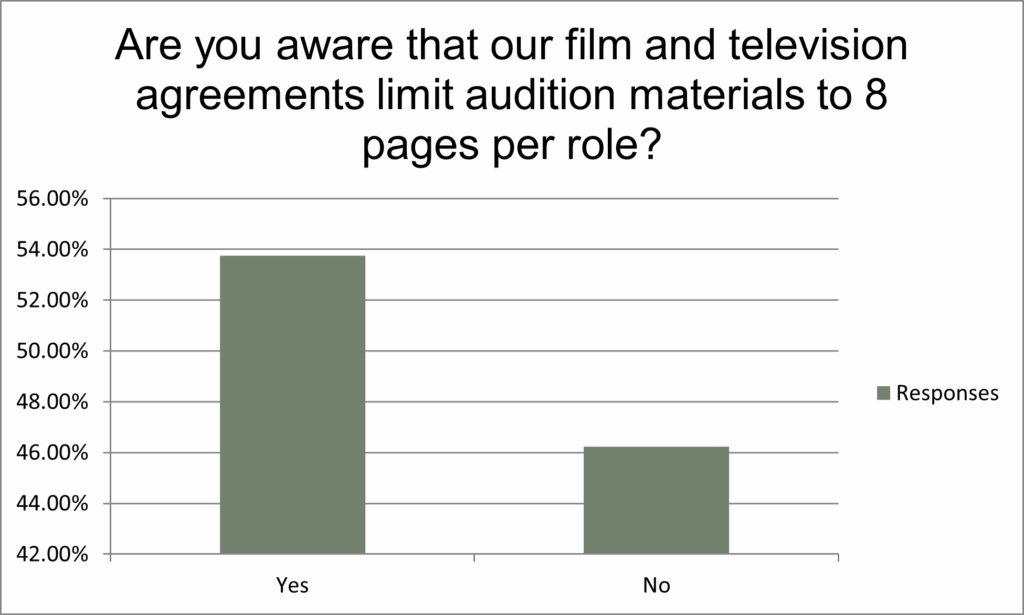
The survey highlighted ongoing violations of audition page limits and improper local hire requests. We will use this data to press producers for better compliance and to support members who report concerns.
Development of New Self-Tape Guidelines
Members want fair and realistic expectations. Working with our national partners, we will push for clear standards that reduce unpaid labour and create equitable access.
Advocacy for In-Person and Hybrid Audition Opportunities
Members are calling for it. We will keep pressing for in-room opportunities wherever possible, especially when direction, physicality or collaboration matter.
Better Communication With Members
We will share regular updates as this work progresses. Your stories will help guide our strategy in every conversation we have with industry partners.
Thank you!
Every response helped create a fuller picture of what actors are facing. Thank you for speaking honestly and openly. Your voice gives ACTRA Toronto the strength and clarity we need to push for meaningful change.
Survey Results